Retro Street: The Graffiti Font That Captures Classic Street Art Energy
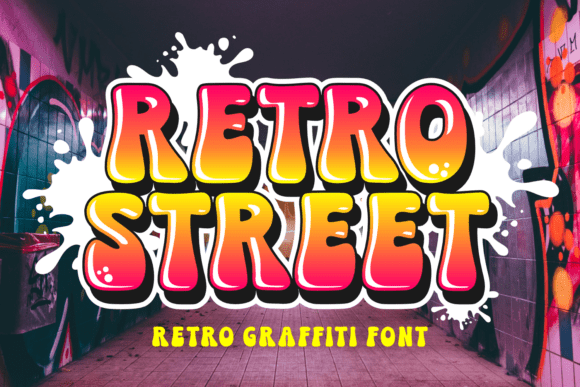
Sometimes, a project calls for more than just letters—it calls for a feeling. You know the one: that raw, energetic vibe of a hand-painted mural on a city wall, the bold attitude of 80s hip-hop flyers, the unmistakable authenticity of street culture translated into design. That’s the exact energy Retro Street brings to the table. This distinctly styled graffiti font doesn’t just spell out words; it injects them with a nostalgic, edgy pulse that’s impossible to ignore. It’s a design asset built for creators who want their work to resonate with history while feeling vibrantly current.
More Than Just a Display Font
At its core, Retro Street is a premium display font, but that simple label hardly does it justice. Its visual personality is defined by a masterful marriage of thick and thin strokes, a characteristic that gives it incredible dynamism and depth. This isn’t a static typeface; each letter feels like it was crafted with a spray can or a fat marker, capturing the fluidity of classic street art. The slight imperfections and organic flow are its greatest strengths, offering a human touch that sterile, geometric sans serif fonts often lack. For designers, this means you’re not just choosing a typeface—you’re adopting a visual language steeped in nostalgia and creative rebellion.
What makes it so visually appealing? It strikes a rare balance. It’s bold enough to command attention in a logo design or on an event poster, yet it maintains a certain legibility that keeps it functional. The aesthetic is unmistakably "old-school," but the execution feels fresh, making it versatile for both retro-themed projects and modern designs that need a shot of authentic character.
Where Retro Street Truly Shines: Practical Applications
The real test of any creative font is how it performs in the wild. Retro Street isn’t just a pretty face for your font library; it’s a workhorse for a surprisingly wide range of applications. Think of it as a design chameleon that adapts to its environment while retaining its core identity.
Branding and Logo Design: For brands in music, apparel, urban sports, or streetwear, this typeface can become the cornerstone of a powerful brand identity. Imagine it on a skate shop logo, a hip-hop producer’s banner, or a boutique brewery’s label. It communicates authenticity, creativity, and a connection to street culture instantly. Pairing it with a clean, minimal sans serif for body copy creates a professional yet edgy visual system.
Packaging and Merchandise: On packaging, Retro Street adds a layer of cool that stands out on shelves. It’s perfect for limited-edition product lines, vinyl record sleeves, or artisanal goods that want to tell a story. For merchandise like T-shirts, hoodies, and stickers, the font’s graffiti-inspired style translates directly to apparel that people actually want to wear.
Digital Presence and Social Media: In the digital realm, this font cuts through the noise. Use it for bold social media graphics, YouTube channel art, or Instagram story highlights to stop the scroll. It’s excellent for creating cohesive templates for quotes, announcements, and promotions that need a burst of energy. On websites, it can be used strategically for hero headlines, navigation menus on creative sites, or blog post titles to set a specific, engaging tone.
Print and Editorial Design: Don’t limit it to the screen. Retro Street makes a statement on event posters, festival flyers, and club night promotions. It’s equally at home in editorial layouts for music magazines, zines, or urban photography books. The key is to use it for headlines and pull quotes where its character can fully emerge, ensuring the body text remains highly readable with a complementary serif or sans serif font.
Integrating a Font with Personality into Your Workflow
Choosing a font with such a strong personality is a strategic decision. Here’s how to make it work for you, not against you.
Know Your Project’s Goal: First, ask what you’re trying to communicate. Retro Street excels at conveying energy, nostalgia, rebellion, and creativity. If your project is for a law firm or a medical practice, it’s probably not the right fit. But if you’re designing for a dance party, a hip-hop festival, a skateboard brand, or a retro-themed café, it’s a perfect match.
Master the Art of Font Pairing: This is crucial. A display font like Retro Street needs a partner that complements without competing. Avoid pairing it with other highly decorative or script fonts. Instead, opt for balance. A sturdy, neutral serif font like a classic Garamond can add a touch of sophistication. A clean, geometric sans serif like Futura or Helvetica provides a modern counterpoint. Let Retro Street handle the headlines and let your secondary font handle the longer text.
Prioritize Readability: While it’s more legible than many graffiti-style fonts, context matters. Use it at larger sizes for maximum impact and clarity. Avoid setting long paragraphs in it. Test it at the intended size and on the intended medium—what looks great on a monitor might need adjustment for a printed poster.
Explore the Included Styles: A quality premium font often comes with more than just the basic alphabet. Check what’s included with your license. Retro Street may offer alternate characters, ligatures, or stylistic sets that allow for even more customization and uniqueness in your designs. Experimenting with these can help you create truly one-of-a-kind typography.
Understand the License: Since you’re likely using this for commercial projects—whether for a client, your own business, or merchandise—ensure you have the correct commercial license. This protects you legally and supports the type designers who create these valuable assets. A proper license is a small investment for the creative power and professionalism it provides.
Final Thoughts on Finding Your Voice
In a world saturated with generic typography, finding a font with genuine personality can feel like striking gold. Retro Street offers more than just letters; it offers a connection to a rich visual history and a tool for creating designs that feel alive. It’s about matching your typography to your project’s soul, ensuring your visual communication is as intentional and impactful as your message. Whether you’re building a brand from the ground up, refreshing a visual identity, or simply crafting a social media post that needs to pop, this typeface provides a direct line to that coveted, authentic street art energy. The best designs don’t just look good—they tell a story, and with the right font, you can make sure that story is heard loud and clear.